
Keeping your vehicle’s electrical system in good condition is critical to its long-term performance. Today, I serviced a car with two common but preventable issues: corrosion on the battery terminal and a shorted temperature sensor. These problems may seem minor at first glance but can lead to costly repairs and unreliable performance if ignored.
Battery Corrosion: Why It Matters and How to Prevent It
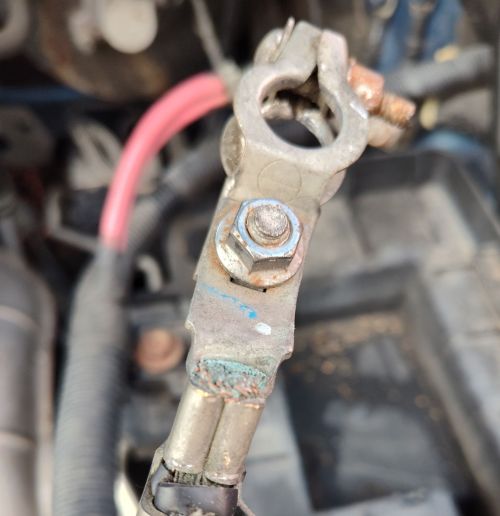
A customer was having issues with their vehicle starting. When I opened the hood, the first red flag was corrosion on the battery leads. Battery corrosion—usually green or white buildup around the terminals—interferes with the connection between your battery and your vehicle’s electrical system. This can cause:
- Difficulty starting the engine
- Dimming headlights
- Poor charging performance
- Complete battery failure
Unfortunately, for this customer, the battery did not last its full life due to corrosion at the terminals, which caused poor charging, voltage drops, and a constant electrical drain on the system.
Tip: Clean your battery terminals every few months with a solution of baking soda and water, and apply a protective terminal spray or petroleum jelly to slow future corrosion. Always ensure terminals are tight and secure.
Coolant Sensor Shorted Out by Leak: A Real-World Example
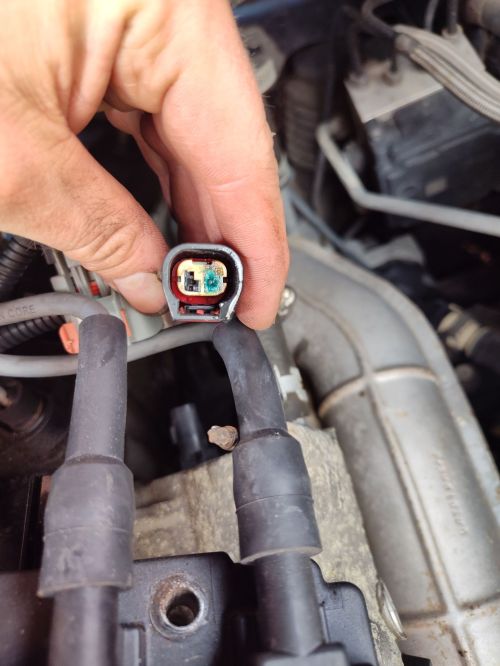
The second issue came from a faulty coolant temperature sensor. A slow coolant leak dripped onto the sensor’s electrical connector. Over time, this moisture led to internal corrosion and a short circuit. The result? The engine’s computer received false temperature readings, leading to poor engine performance and potential overheating.
Key takeaway: Leaks near electrical connectors—especially coolant or oil—can cause sensor failures, electrical shorts, and trouble codes.
Best Practices for Vehicle Electrical System Maintenance
To protect your car’s electrical components and avoid unnecessary repairs, follow these simple but essential steps:
- Inspect battery terminals regularly for signs of corrosion or wear.
- Address any fluid leaks promptly, especially if they are near wiring harnesses or sensors.
- Secure all connectors and use dielectric grease to protect them from moisture and corrosion.
- Watch for warning signs like flickering lights, a check engine light, or random electrical malfunctions.
Mobile Auto Repair That Comes to You
Whether you’re dealing with a coolant sensor issue, battery problems, or just need a diagnostic checkup, we bring professional vehicle repair and maintenance right to your location. We service cars at homes, workplaces, and anywhere that’s convenient for you.
Don’t let small electrical issues turn into big repairs. Contact Neighbor’s Choice Mobile Auto Maintenance today to schedule your service.
 Neighbor's Choice Mobile Auto Maintenance LLC
Leave a comment